
BOTTLE COMPARISON
WhistlePig 12 vs. 15: wine-cask fruit or Estate Oak?
Compare WhistlePig 12 Old World Rye and 15 Estate Oak Rye: finishing casks, strength and the flavour directions in our existing reviews.
Start with the finish, then the age
WhistlePig 12 and 15 are not simply consecutive steps on an age ladder. The 12 uses a combination of wine-cask finishes; the 15 finishes in Vermont Estate Oak. That difference gives you a more useful starting question than “Which is older?”: do you want fruit-led richness or a drier oak-led structure?
Our existing reviews score the 12 at 90/100 and the 15 at 93/100. Those scores belong to their individual reviews. This guide brings the published assessments together with producer specifications; it does not report a new tasting session.
| At a glance | WhistlePig 12 Old World Rye | WhistlePig 15 Estate Oak Rye |
|---|---|---|
| Age statement | 12 years | 15 years |
| Bottling strength | 43% ABV / 86 proof | 46% ABV / 92 proof |
| Finishing approach | Madeira, Sauternes and Port casks | Vermont Estate Oak |
| Existing review score | 90/100 — read review | 93/100 — read review |
| Our review’s emphasis | Raisins, melon, honey; softer fruit-led character | Oak, caramel, vanilla, leather and baking spice |
What the wine casks do in the 12
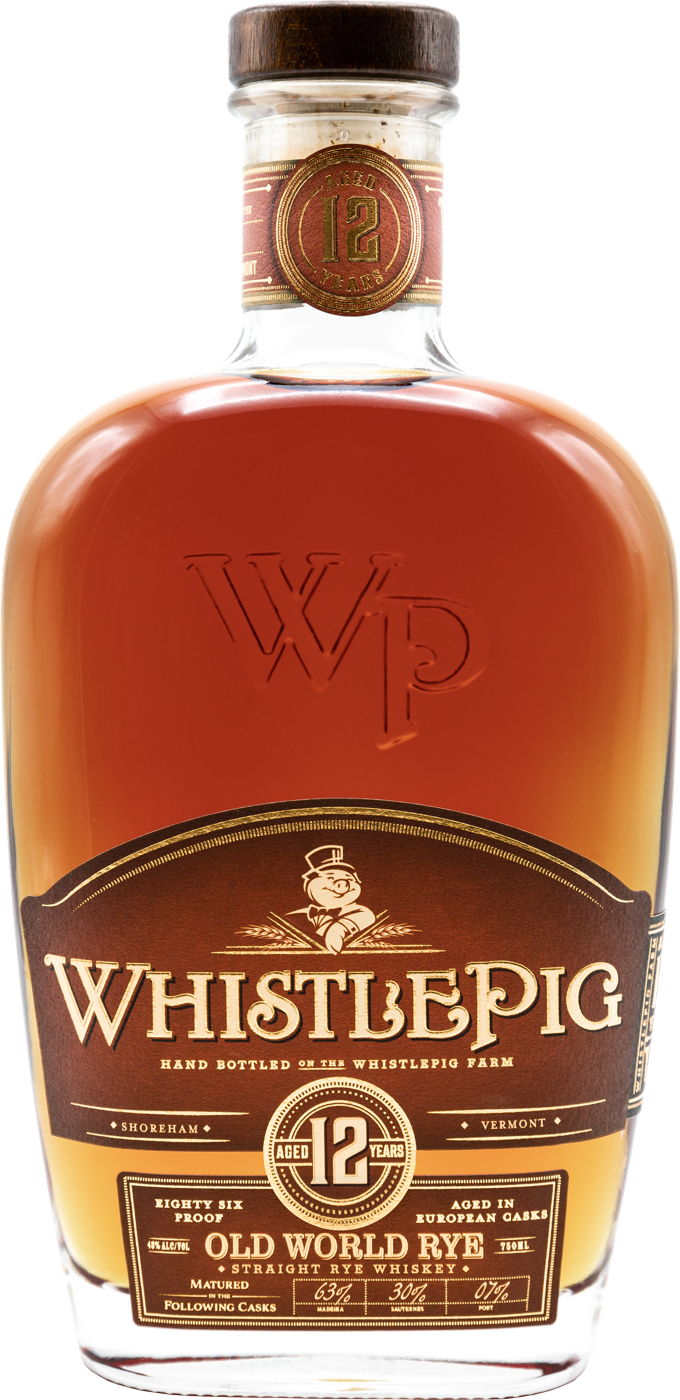
WhistlePig’s official 12-year-old page describes whiskey aged in new American oak before separate Madeira, Sauternes and Port finishes are blended together. Its stated finishing blend is 63% Madeira, 30% Sauternes and 7% Port. Those are proportions of the finished whiskey components, not a recipe for adding wine to a glass.
Our review describes a soft, fruited and quietly complex rye, with raisins, melon and honey in the picture. If those details appeal more than assertive wood character, the 12 is the place to begin. Wine-cask finishing does not mean it tastes just like wine, nor does it remove its rye identity.
For more on the distinction between a main maturation and a later finishing stage, read our cask maturation and finishing guide. Its examples focus on sherry, but the distinction is useful when reading this label too.
What changes with the 15
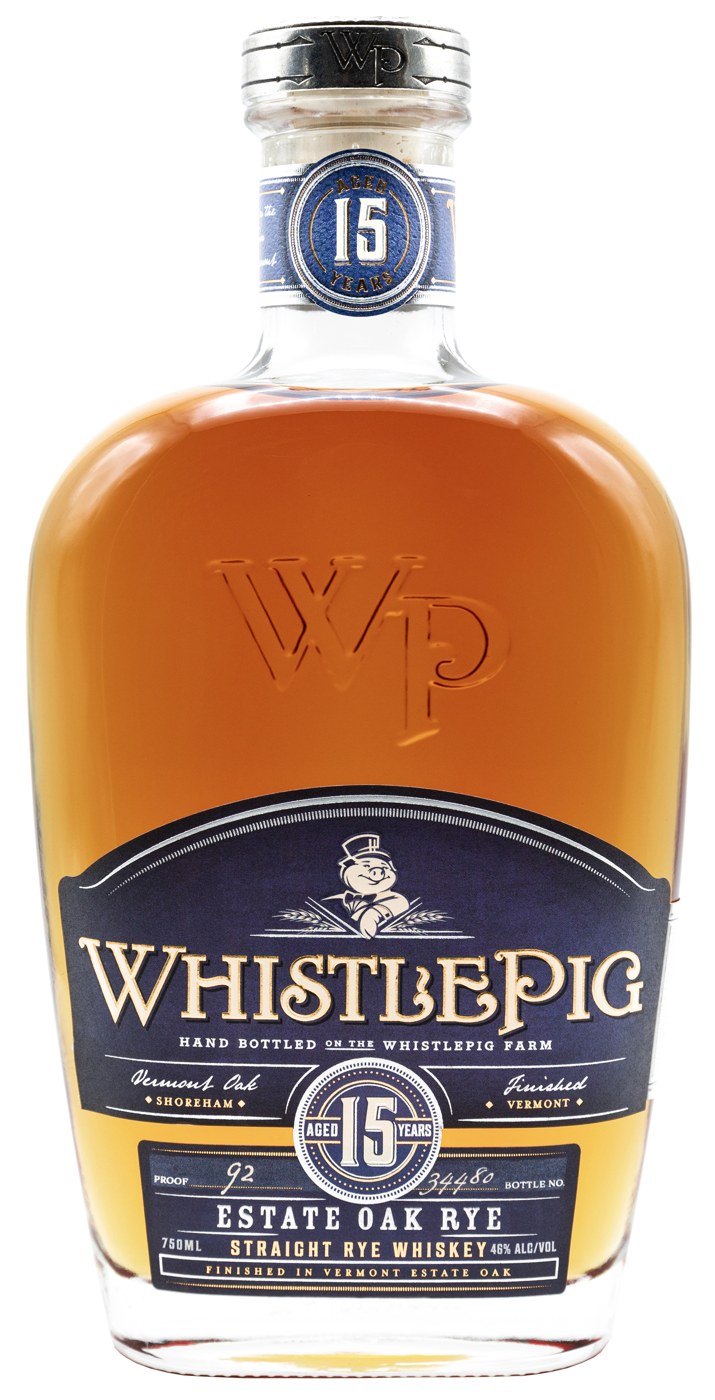
The producer’s 15-year-old page identifies a Vermont Estate Oak finish using wood harvested on its farm. It lists the bottling at 92 proof. The finishing wood is the relevant documented connection here; it should not be taken as proof that every earlier production stage happened on the farm.
Our existing review emphasises oak, caramel and vanilla, with leather, tobacco and baking spice. That points to a bottle for someone who enjoys the structure and drier detail of mature whiskey. The higher review score makes it worth considering, but pronounced oak is a preference, not an automatic improvement for every palate.
Which one belongs on your shelf?
Consider the 12 if fruit and honey are what draw you toward a whiskey. Consider the 15 if you want oak, spice and a more structured finish. If you already own one, use those differences to decide whether the other adds something you actually want, rather than buying a larger age statement by default.
A sample can be more useful than a specification sheet here. Pay attention to whether fruit or wood leads the finish, and whether you enjoy that balance after the initial sweetness fades. You do not need to identify every tasting-note descriptor to form a clear preference.
Compare the actual bottles and prices
Check the exact expression, strength and bottle size on the retailer listing. Special releases can sit alongside these standard names. We have not assigned a price or value winner: that requires the current delivered cost in your market and your own preferences.
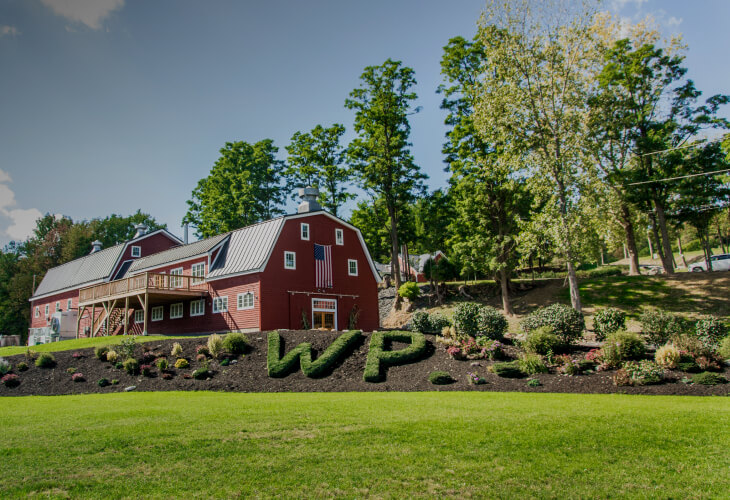
Find both full reviews and approved farm photographs on our WhistlePig distillery page. The photograph above is supplied producer imagery; it does not document a visit by our reviewers.
Sources checked on 29 September 2026. This comparison draws on our existing scored reviews and the linked producer sources; it is not a new side-by-side tasting. Photography is used with permission and does not influence scores. The About page explains our pseudonymous editorial seats.