
BOURBON BUYING GUIDE
How to choose the best bourbon for you: beyond the premium label
A practical bourbon buying guide: compare flavour, strength and use before paying for age, rarity or premium packaging.
Start with bourbon, not the price tag
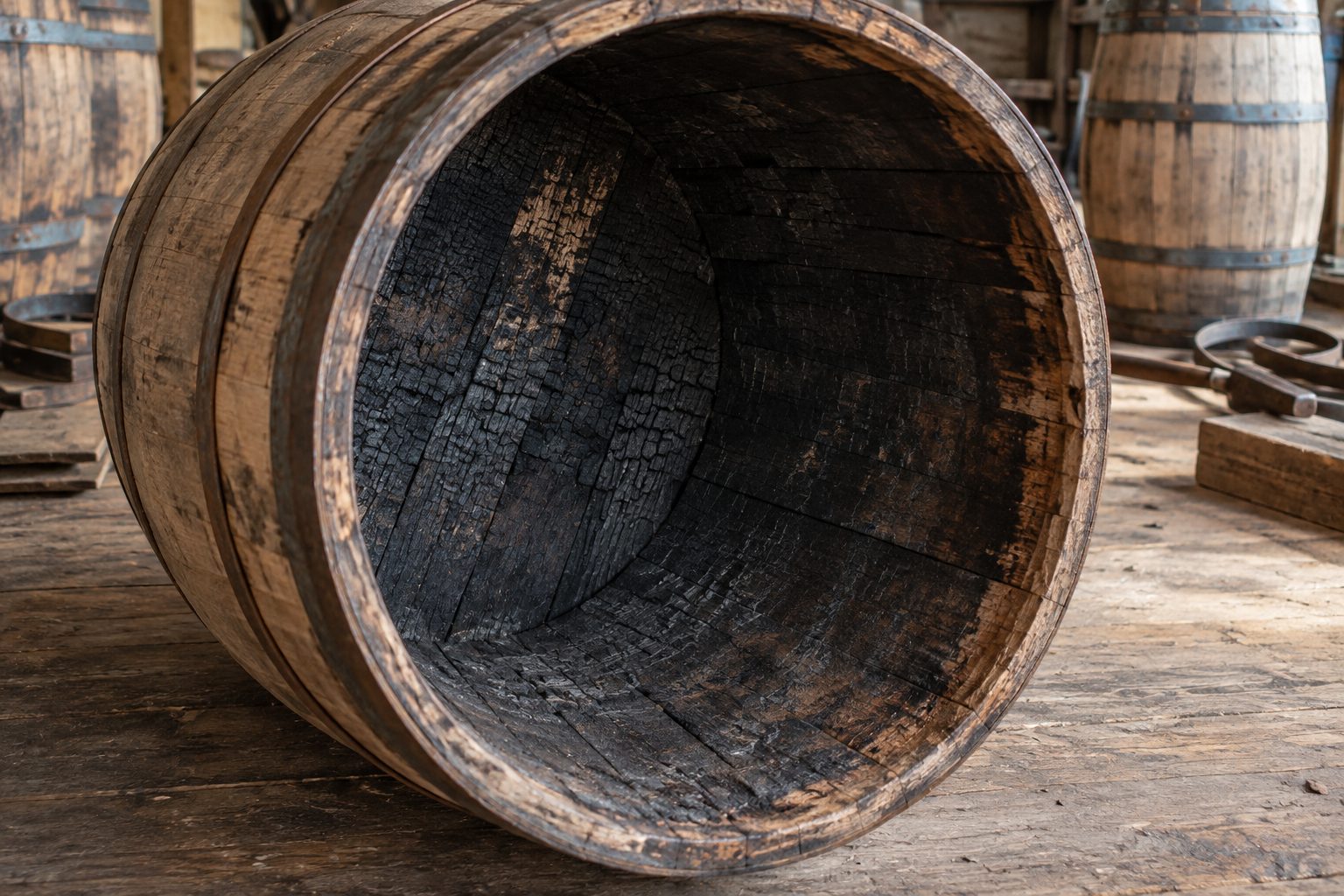
Bourbon has production requirements; your preferred level of luxury is a separate matter. The TTB’s labelling guidance describes the corn-based mash and new charred oak requirements that distinguish bourbon. Decorative packaging and a high retail price do not explain how a particular whiskey will taste.
When a shop calls something premium bourbon, ask what you are getting that matters to you. Is it a flavour you particularly enjoy, a different strength, an age statement, or a presentation chosen for a gift? Those can all inform a purchase, but they are not the same reason to spend more.
Define the job before choosing the bottle
- A regular sipping bottle: prioritise a profile you return to willingly. You should not need to admire the box to enjoy the pour.
- A cocktail bottle: consider how its flavour and strength fit the drink. More expensive does not automatically mean more useful.
- A gift: start with what the recipient drinks. If they dislike strong whiskey, a coveted barrel-proof release may be a poor match.
- An exploratory purchase: choose one meaningful difference from your usual bottle so you can learn what you prefer.
Two existing reviews to begin with
Our Wild Turkey 101 review describes oak, caramel and spice, and discusses both sipping and cocktail use. It is a useful starting point if you want one bottle to do more than one job. Check a current retailer price rather than treating an older review’s price reference as a live offer.
Our Four Roses Single Barrel review highlights fruit and spice in the expression it covers. Read the exact label carefully when shopping: single-barrel selections and different releases should not be assumed to share every specification or tasting detail.
These are routes into our published library, not a newly tasted ranking or a claim that either is the best bourbon for every reader. A review helps you understand a bottle; your preference decides whether that is the bottle you want.
Use strength as information
Read the alcohol strength before buying. A stronger bottling may appeal if you enjoy adjusting with water, but strength alone is not a measure of quality. Our cask-strength comparison explains the practical trade-off.
For a gift, a clear description of how the recipient likes to drink is more helpful than chasing the largest number on a label. For yourself, compare the finish and comfort of the pour as well as its intensity.
Does older mean better?
An age statement gives information about maturation, not a guarantee of your enjoyment. The TTB’s age-statement guidance explains what the label is reporting. To decide whether you want the result, you still need the bottle’s flavour description and an independent assessment.
Likewise, difficulty finding a bottle is not a tasting note. Set your spending limit before browsing scarce releases, then compare the delivered price against alternatives you would happily drink.
Build a shortlist you can actually use
Open the bourbon guide, choose a few expressions with appealing descriptions, and compare them in the review finder. Read the verdicts as well as the scores. Keep the final choice tied to the bottle, the occasion and your budget: that is a more useful definition of “best” than a universal winner.
Sources checked on 19 September 2026. This is an editorial guide, not a new scored tasting. Our About page explains the pseudonymous editorial seats.