
CASK GUIDE
Sherry-cask maturation vs. finishing: how to read the label
Understand full sherry-cask maturation, a sherry finish, and a combination of cask types, with producer examples and questions to ask before buying.
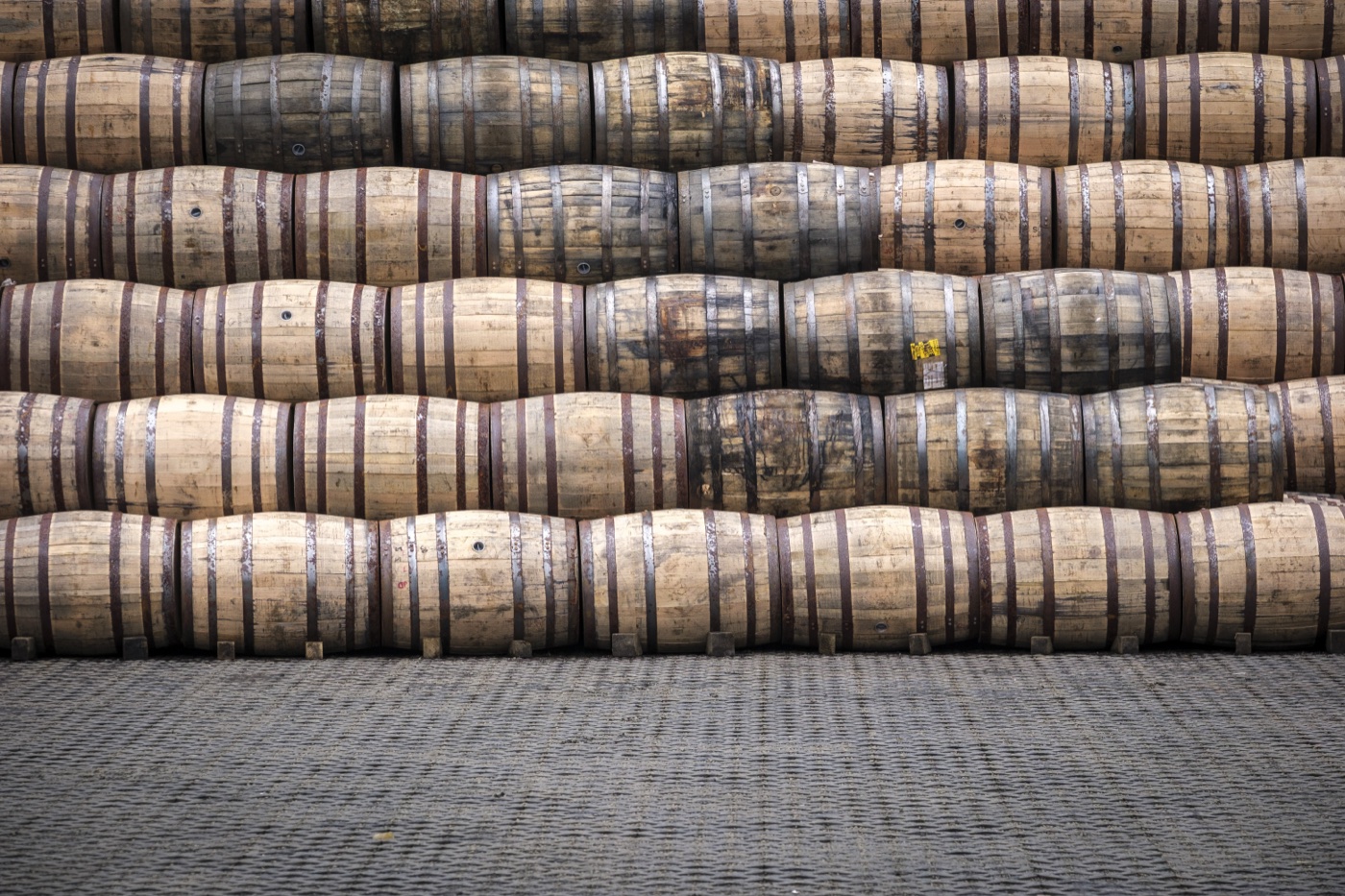
Follow the sequence of casks
A sherry cask is oak that has held sherry before being used for whisky. The useful question is when that cask enters the process. In its own guide, Laphroaig distinguishes full maturation from a later sherry finish after earlier cask stages. Laphroaig's guide to sherry casks.
| Description | What to look for |
|---|---|
| Fully sherry-cask matured | An explicit statement that sherry casks were used throughout maturation. |
| Sherry-cask finished | An earlier maturation stage followed by transfer to sherry casks. |
| Combination of casks | Whether the producer describes separately matured components or a sequence of transfers. |
The words “sherry cask” alone do not resolve all of those possibilities. Avoid upgrading a vague description into a more specific production claim. If the producer does not explain the sequence, leave the sequence open.
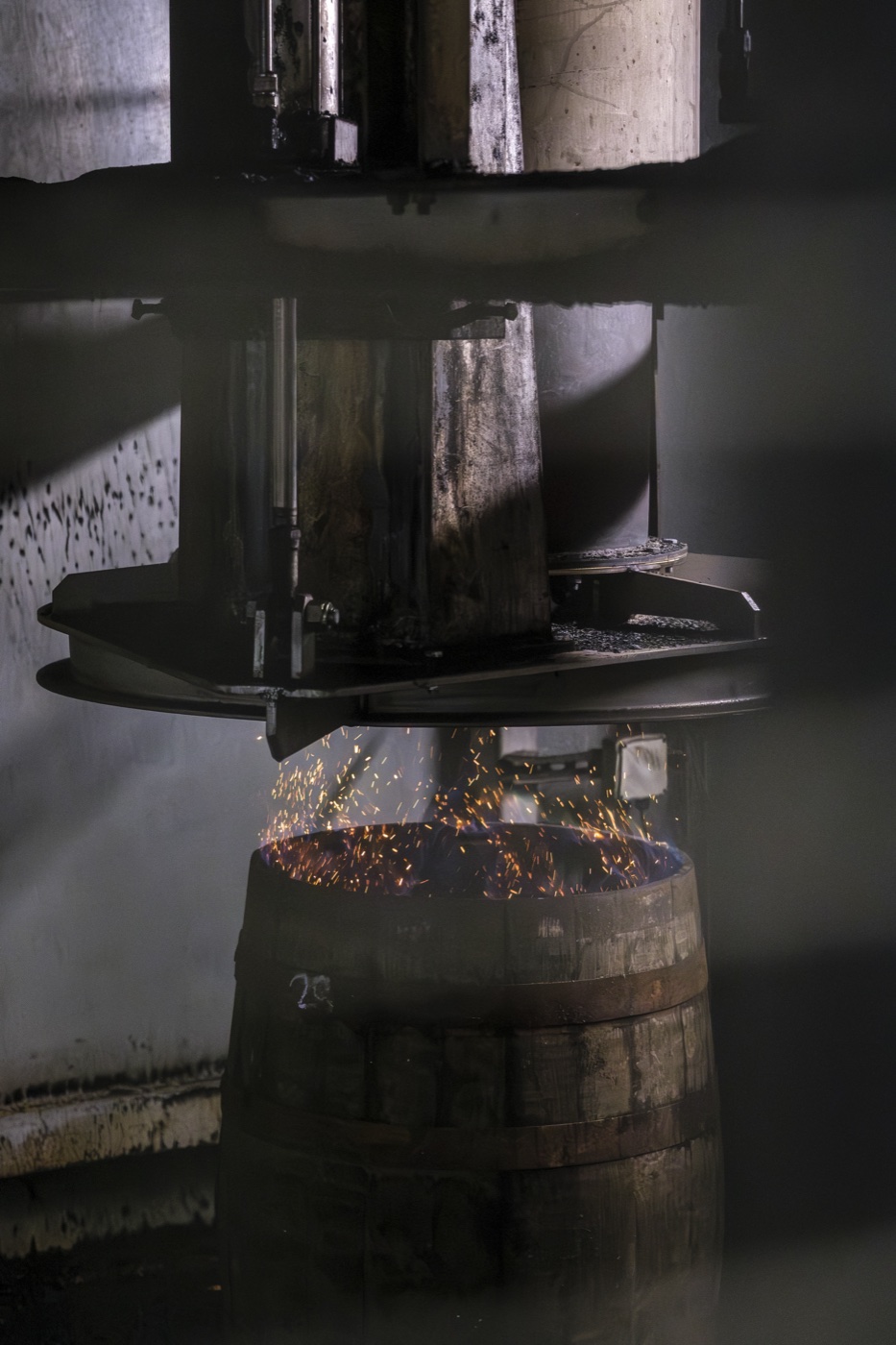
A finish is still maturation
The Balvenie DoubleWood provides a clear example of a sequence: its producer describes maturation in traditional whisky casks followed by further maturation in sherry oak. The later stage is part of making the whisky, even though it is called a finish. The Balvenie's DoubleWood description.
For a reader, “finished” is most useful as a question about the relationship between stages. What came before? What did the later cask add? It should not automatically be read as a lesser version of full maturation. Look for a description of the resulting drink that matches your taste.
A combination does not automatically mean a finish
Redbreast says its standard Redbreast 12 matures in a combination of bourbon and sherry casks. That wording alone is not a bourbon-then-sherry timeline. Describe the combination accurately rather than relabelling it as a finish. Redbreast's production description.
This matters when comparing bottles online. If one review calls every use of sherry wood a finish and another uses the term precisely, their descriptions can appear to disagree even before tasting enters the conversation. Return to the producer's account and separate what is stated from what has been inferred.
Use tasting notes to complete the picture
Laphroaig associates its sherry-cask influence with dried fruit, nuts and spice, alongside its smoky character. Treat that as an account of its own whiskies, not a universal recipe for everything labelled sherry cask. Laphroaig's flavour discussion.
Our Redbreast 12 review describes creamy texture, sherried fruit and baking spice. Those notes help answer a different question from the production description: does the resulting character sound appealing? Read both. Cask information explains an aspect of how the whiskey was made; the review helps you decide whether to explore it.
A useful way to read the next label
- Find the exact expression on the producer's website.
- Look for a sequence: matured in, transferred to, then finished in.
- Keep “combination” as “combination” unless the producer explains more.
- Read the tasting notes before deciding that a cask term makes it your kind of bottle.
For a practical example of how related cask descriptions can accompany different flavour profiles, read Redbreast 12 vs. Green Spot. For the separate question of bottling strength, start with our cask-strength guide.
Sources checked on 9 September 2026. This is an editorial guide, not a new scored tasting. Our About page explains the pseudonymous editorial seats.