BOTTLE COMPARISON
Lagavulin 8 vs. 16: which smoky Scotch suits you?
Compare Lagavulin’s younger, higher-strength bottling with its mature classic using our existing reviews, verified specifications and producer photographs.
The age statement is only part of the choice
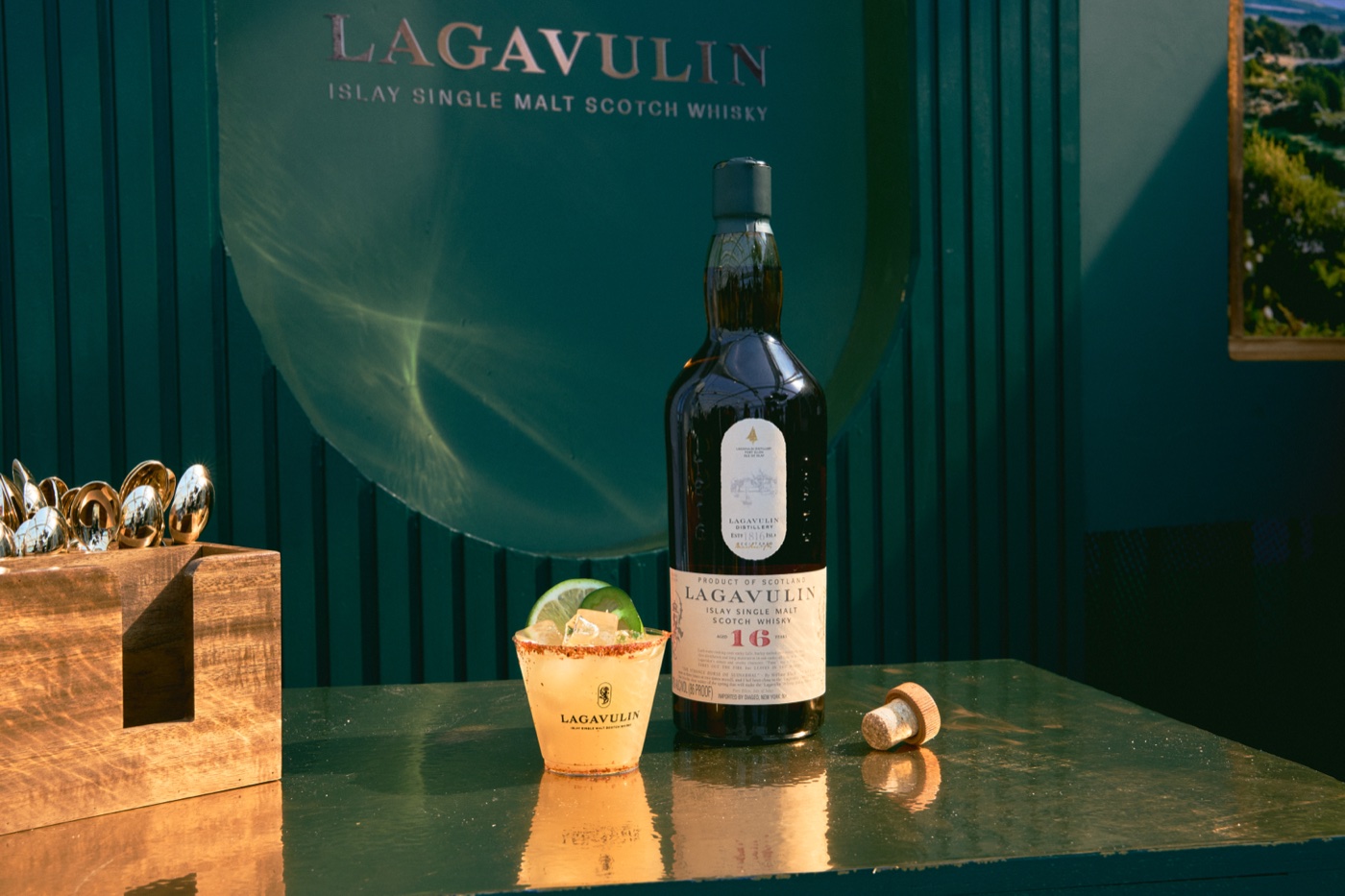
Lagavulin 8 and Lagavulin 16 make a useful comparison because the younger bottle is also the stronger one. The 8 is bottled at 48% ABV; the 16 at 43%. Choosing between them involves both maturity and presentation, not just a larger number on the label.
Our existing reviews favour the 16 overall, with 92/100 against the 8’s 89/100. Those are the original individual review scores, not results from a newly conducted comparison. The younger whisky still has a distinct reason to be on a shortlist.
| At a glance | Lagavulin 8 | Lagavulin 16 |
|---|---|---|
| Age statement | 8 years | 16 years |
| Bottling strength | 48% ABV | 43% ABV |
| Existing review score | 89/100 — read review | 92/100 — read review |
| Our review’s emphasis | Ash, brine, grilled citrus, peppery dark chocolate | Peat smoke, sea air, dried fruit, sherry sweetness |
Why choose Lagavulin 8?
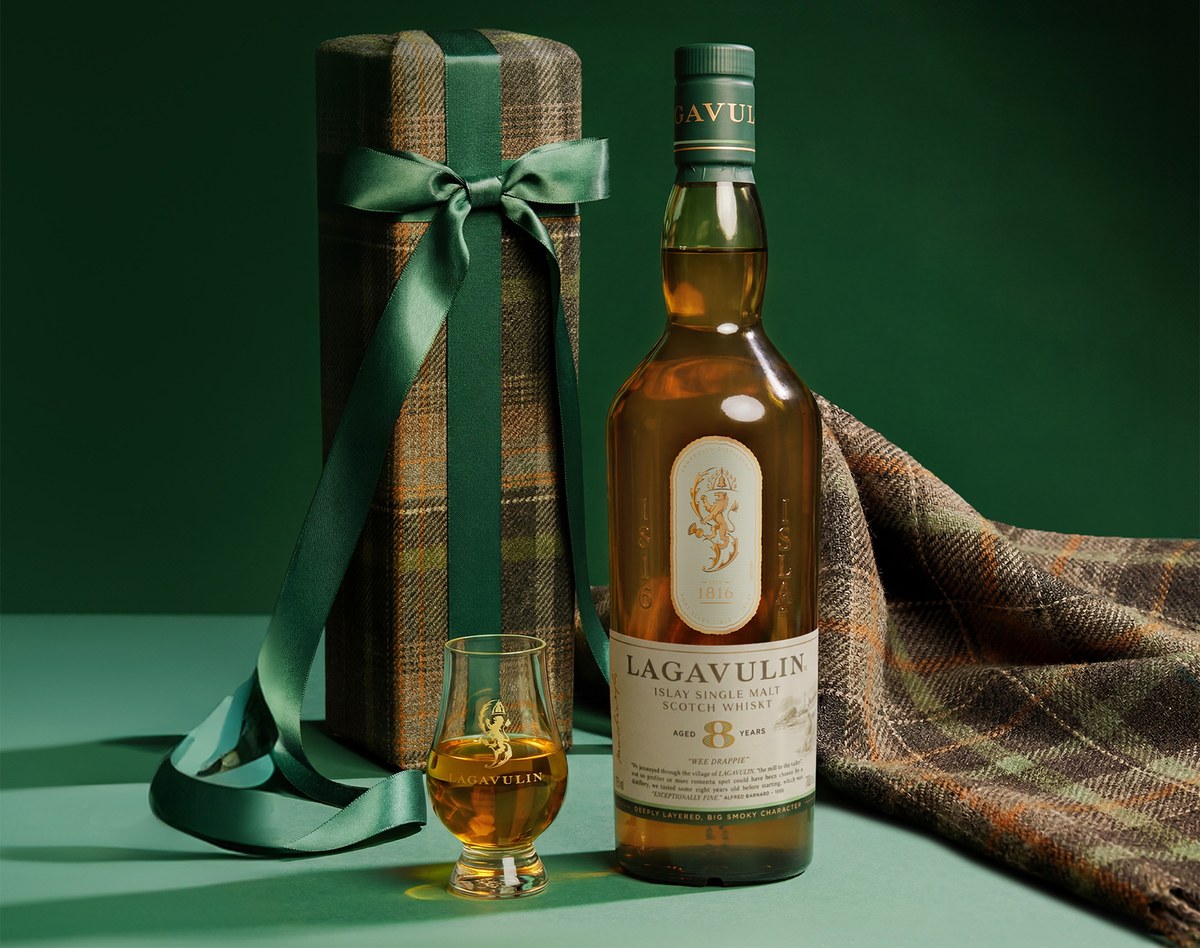
Start with the 8 if ash, brine and grilled citrus sound more appealing than dried-fruit richness. Our review presents a direct, peppery whisky, with dark chocolate among the details behind the smoke. That makes it an alternative expression of the distillery, rather than merely the bottle you settle for before reaching the 16.
The producer describes the 8 as initially light in body, becoming oily, with a dry smoky finish. Higher strength does not mean every aspect of the whisky must feel heavier.
Why choose Lagavulin 16?
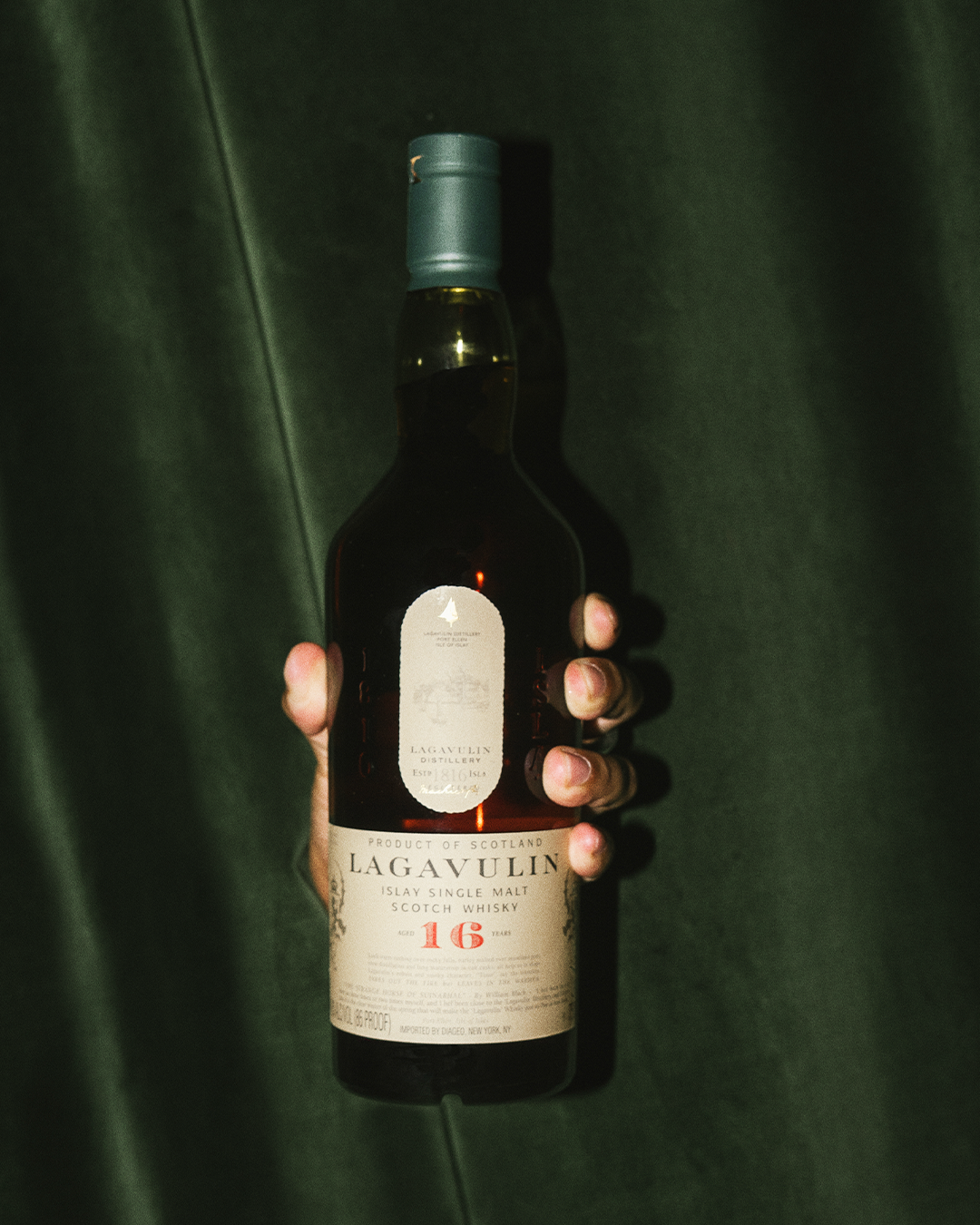
The 16 is the stronger candidate if you want dried fruit and sweetness alongside peat and sea air. Our review’s higher score reflects its overall assessment of this bottle; it does not establish that every drinker will prefer the more mature profile.
The official 16-year-old description stresses richness as well as smoke and dryness. This is still a smoky Islay malt. Someone looking for a smoke-free whisky should not assume that extra maturation removes its defining character.
Is the 8 stronger, or is the 16 smokier?
The strength question has a straightforward answer for these bottlings: the 8 has the higher ABV. “Smokier” is harder to settle from specifications. Smoke can feel different against citrus, fruit, sweetness and oak, and neither a higher age nor a higher ABV gives a reliable ranking of perceived smoke.
These are also not a controlled experiment in ageing. You cannot isolate the effect of time by comparing two different finished expressions. Treat the pair as two choices with different profiles, rather than proof that one production variable explains everything.
How to make the decision useful
If you can sample them, first compare at their bottled strengths, then consider a little water to explore how each changes. Record the texture and finish as well as the first smoky impression. Our guide to whisky strength explains why a strength number alone cannot decide which bottle you will enjoy.
Without a current local price, there is no universal value winner. Compare the actual price gap and decide whether the 16’s fruit-led depth is what you want to pay for. If the 8’s more direct profile appeals, age is no reason to dismiss it.
Visit our Lagavulin distillery page for the full reviews, or explore Talisker 10 vs. Caol Ila 12 for a comparison across distilleries.
Sources checked on 29 September 2026. This comparison draws on our existing scored reviews and the linked producer sources; it is not a new side-by-side tasting. Photography is used with permission and does not influence scores. The About page explains our pseudonymous editorial seats.